
Child Custody

Tampa Child Custody Lawyer
Tier 1-Rated Timesharing & Parenting Plan Representation in Hillsborough and Pinellas County
At Harris, Hunt & Derr, P.A., we represent parents in timesharing, parental responsibility, and parenting plan matters across Tampa Bay. Whether you’re going through a divorce or were never married, we handle both temporary and ongoing timesharing matters, including contested cases, in Hillsborough and Pinellas County family courts. Parents come to us at every stage: establishing an initial parenting plan, resolving a disputed timesharing schedule, and seeking modifications when circumstances have changed.
We assist clients with three core issues: creating a parenting plan, determining parental responsibility, and establishing a timesharing schedule. Florida’s statutory framework for these matters is detailed and has changed significantly in recent years. Having attorneys who understand how Hillsborough County family divisions apply that framework is the practical difference between a plan that holds and one that can lead back to court.
Why Legal Representation Matters in Florida Timesharing Cases
An attorney isn’t legally required in a Florida timesharing case, but the strategic gap between represented and unrepresented parents is significant. Our attorneys help clients gather and present information to support their position on the parenting plan and timesharing schedule before a Hillsborough County judge. We make sure every client is thoroughly prepared and educated on each issue before hearings or mediation.
Hillsborough County requires mediation before a judge decides contested timesharing issues, and a Parenting Plan must be filed with the court in any action involving minor children. Knowing how to prepare for mediation, what evidence to bring, and how to frame a position under Florida Statute §61.13 can shape the process in ways a self-represented parent often can’t anticipate.
How Florida Decides Timesharing: The 2023 Law & Best-Interest Factors
Florida courts determine timesharing based on the best interests of the child, evaluated through statutory factors under Florida Statute §61.13. Effective July 1, 2023, CS/HB 1301 established a rebuttable presumption that equal (50/50) timesharing is in the child’s best interest. Before that law took effect, courts weighed factors with no default starting position. The presumption is a starting point, not a guaranteed outcome. Courts retain full discretion to deviate based on the evidence presented.
The best-interest factors courts consider include:
- Parental Capacity: Each parent’s ability to provide a stable, nurturing environment, including mental and physical health
- Home Environment: Safety and suitability of each parent’s home, including any history of domestic violence or substance abuse
- Co-Parenting Ability: Each parent’s willingness to support the child’s relationship with the other parent
- Child’s Wishes: The child’s preference if the child demonstrates sufficient maturity
- Consistency & Stability: Continuity in education, community ties, and daily routine
- Work Schedules: Each parent’s ability to meet the child’s needs given their work commitments
- Criminal History: Any record involving violence or endangerment of the child
To overcome the 50/50 presumption, a parent must prove by a preponderance of the evidence that equal timesharing is not in the child’s best interests. Evidence that may rebut the presumption includes domestic violence history, substance abuse, demonstrated parental disengagement, inability to co-parent, or restrictive work schedules. The 2023 law also removed the prior requirement that a change in circumstances be unanticipated to seek a modification, making parenting plan modifications more accessible when circumstances warrant.
Why Tampa Parents Choose Harris, Hunt & Derr, P.A.
Our firm is rated Tier 1 in Family Law and Family Law Mediation by U.S. News Best Law Firms and recognized among the Best Divorce Lawyers in Tampa by Expertise. Our attorneys have been named Tampa Magazine Top Lawyers every year from 2020 through 2026, and the firm holds an AV Preeminent rating. These recognitions reflect a consistent standard of practice, not a single outcome.
What shapes the day-to-day experience for our clients is how we structure our practice. We intentionally limit our caseload so each matter receives focused attorney attention and genuine strategic planning. Our attorneys work collaboratively, pooling their knowledge to develop approaches tailored to each client’s specific situation. That structure matters in timesharing cases, where the details of a parent’s schedule, home environment, and co-parenting history affect what the evidence actually shows.
We know the family divisions at the George Edgecomb Courthouse in downtown Tampa and the procedural expectations in Hillsborough and Pinellas County courts. From our offices in Tampa and St. Petersburg, we guide clients through filing, discovery, negotiation, and hearings. Our Protection Without Destruction® philosophy means we pursue the least destructive path to resolution while remaining fully prepared to advocate in court when the other party won’t cooperate.
We work with parents who are unmarried as well as parents who are going through a divorce in Tampa. Contact our child custody attorneys online today to learn more.
Understanding Parental Responsibility in Florida
Florida uses the term parental responsibility rather than custody to describe which parent holds decision-making authority over a child’s upbringing.
Shared responsibility means both parents retain the right to make decisions about the child’s education, healthcare, and general welfare. Sole responsibility means only one parent holds that authority. Shared parental responsibility is the court’s default preference; sole responsibility requires a showing that it is in the child’s best interest.
Timesharing vs. Visitation: What Florida Courts Actually Use
Timesharing is the Florida term for what other states call visitation. It refers to the time each parent spends with the children. Under the 2023 law, Florida courts begin with a rebuttable presumption that equal (50/50) timesharing is in the child’s best interest, though evidence can shift that starting point. When an existing order no longer reflects the family’s reality, parents may seek a modification to a timesharing or parenting plan order.
Is Florida a Mother State?
No. Florida does not give priority to the mother in timesharing cases involving two married but divorcing parents.
The situation differs for unmarried parents. If the parents were never married, the biological mother is awarded sole parental responsibility by default. A father must establish paternity to pursue timesharing rights. The 2023 equal-timesharing presumption applies to both dissolution of marriage cases and paternity proceedings under Chapter 742.
Under Florida law, paternity can be established in several ways:
- Both parents execute a voluntary acknowledgment of paternity, a notarized affidavit signed by both parties under penalty of perjury
- A court adjudicates paternity through a legal proceeding, which may include genetic testing ordered by the court
- The Florida Department of Revenue establishes paternity through an administrative proceeding
Building a Parenting Plan That Holds
A parenting plan is a court-required document that sets out each parent’s responsibilities and the timesharing schedule. In Hillsborough County, a Parenting Plan must be filed with the court in any action involving minor children. A well-drafted plan addresses regular timesharing, holidays, summer schedules, and which parent holds decision-making authority on specific issues such as education, healthcare, and extracurricular activities.
Parenting Plan Evaluators & Coordinators
We have established relationships with highly experienced, highly respected parenting plan evaluators and parenting coordinators. Evaluators conduct neutral assessments of each parent’s circumstances and the child’s needs to inform the court’s decision. Coordinators assist parents in resolving day-to-day conflicts that arise under an existing plan. In timesharing cases we handle, we can provide independent, neutral substantiation to strengthen each client’s position on both temporary and final parenting plan matters.
Our goal is to help clients reach a parenting plan that protects their children’s best interests while preserving as much of the co-parenting relationship as possible. When both parties are willing, that means a negotiated plan. When they aren’t, we advocate in court.
Schedule a Consultation with a Tampa Child Custody Attorney
At Harris, Hunt & Derr, P.A., we’re known for skill, integrity, and empathy. We strive to collaborate and find common ground with the other party. When they won’t, we advocate fully on your behalf under our Protection Without Destruction® philosophy.
Contact one of our offices in Tampa or St. Petersburg to schedule a consultation. We also serve clients in Clearwater, Sarasota, Brandon, and Fish Hawk.
Ready to discuss your timesharing case? Contact us today.


-
“experience, expertise & empathy” - J.F.
-
“The Best” - J.F.
-
“Amazing” - Anonymous

-
 Nancy Hutcheson Harris Shareholder
 -
Joseph D. Hunt Shareholder
-
Christine L. Derr Shareholder
-
Katherine C. Scott Shareholder
-
Nicole M. Gehringer Shareholder
-
Cory A. Brandfon Partner
-
Mark F. Baseman Attorney
-
Grace M. Samarkos Attorney
-
M. Tess Bedell Attorney
-
Lauren E. Corbridge Attorney
-
Cece Ingle Paralegal
-
Phillip Drake Paralegal
-
Tracy Reese Paralegal
-
Stacy Recinella Paralegal
-
Danielle Janish Paralegal
-
Laura Holler Operations Manager
-
Ashley James Executive/Marketing Assistant
-
Wanda Alton Receptionist
-
Jill Gosline Legal Assistant
-
Alyssa Leonard Legal Assistant
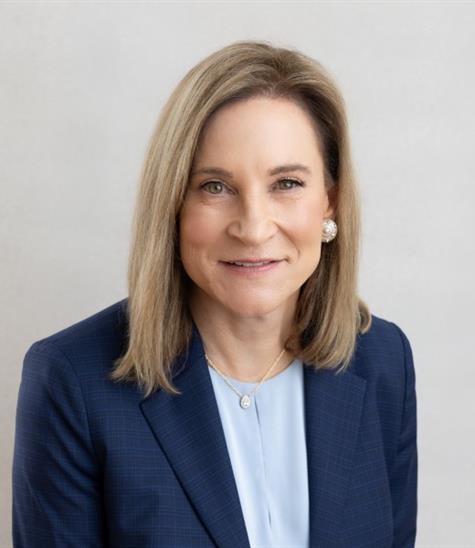

.2302091346550.jpg "Christine L. Derr Photo")
.2302091347550.jpg "Katherine C. Scott Photo")
.2302091344550.jpg "Nicole M. Gehringer Photo")
.2302091345550.jpg "Cory A. Brandfon Photo")
.1).2609021402005.jpg "Mark F. Baseman Photo")
.2302091345550.jpg "Grace M. Samarkos Photo")
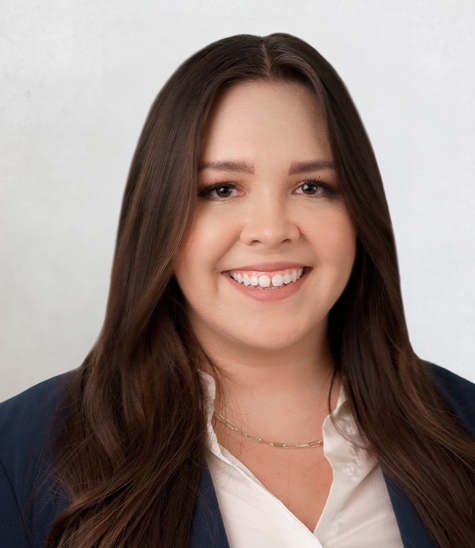

.0000000000000.jpg "Danielle Janish Photo")